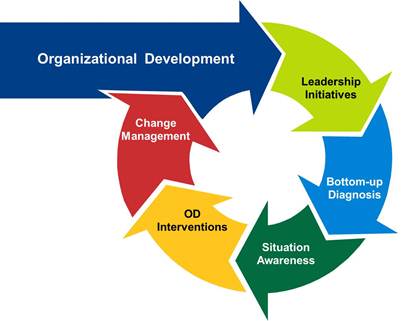
Organization analysis and development
Organization analysis and development
INTRODUCTION:
Why are organizations important?
One of the main pillars underpinning FAO’s efforts to reduce poverty and food insecurity is the empowerment of small-scale producers, men and women to participate in rural development. Small- scale producers, being marginalized and dispersed, are typically unable to seize economic opportunities in the marketplace or influence policies that could affect them. In particular, asymetric asset endowment and unbalanced power with other actors, as well as a lack of information and communication, cause small-scale producers to be excluded from markets, social choices and, in a broader way, development opportunities. However, when rural producers organize themselves into producer organizations and benefit from high-performing public-service organizations, they can become active in shaping their path out of poverty and making their voices heard. Well-functioning organizations are therefore critical for rural people to address the complex challenges they face.
Making such organizations work better is one of the most persistent and difficult challenges for development practitioners. At the country level, FAO‘s counterpart organizations and implementing partners can be the greatest assets or the greatest risk in delivering projects and programmes. These organizations can determine:
- whether FAO’s support succeeds in achieving results.
- who benefits from projects and programmed.
- whether a government or farmer groups can sustain a programmed/project after support ends; and
- the cost and adoption rate of support
As a result, improving the capabilities of FAO staff and other development practitioners in understanding how such organizations function is critical to the effectiveness and relevance of any intervention. To paraphrase Armatya Sen, we can affirm that individuals live and operate in a world of organizations. Future opportunities and prospects depend crucially on which organizations exist and how they function (Sen, 2001: 142).
This learning module presents the process by which public and private non-profit organizations can be supported to assess their performance and the factors that promote or hinder it.